SPARK: Social and Personal Adaptive Response Kit
Igniting Child Development with AI and Sensor Technology
Overview
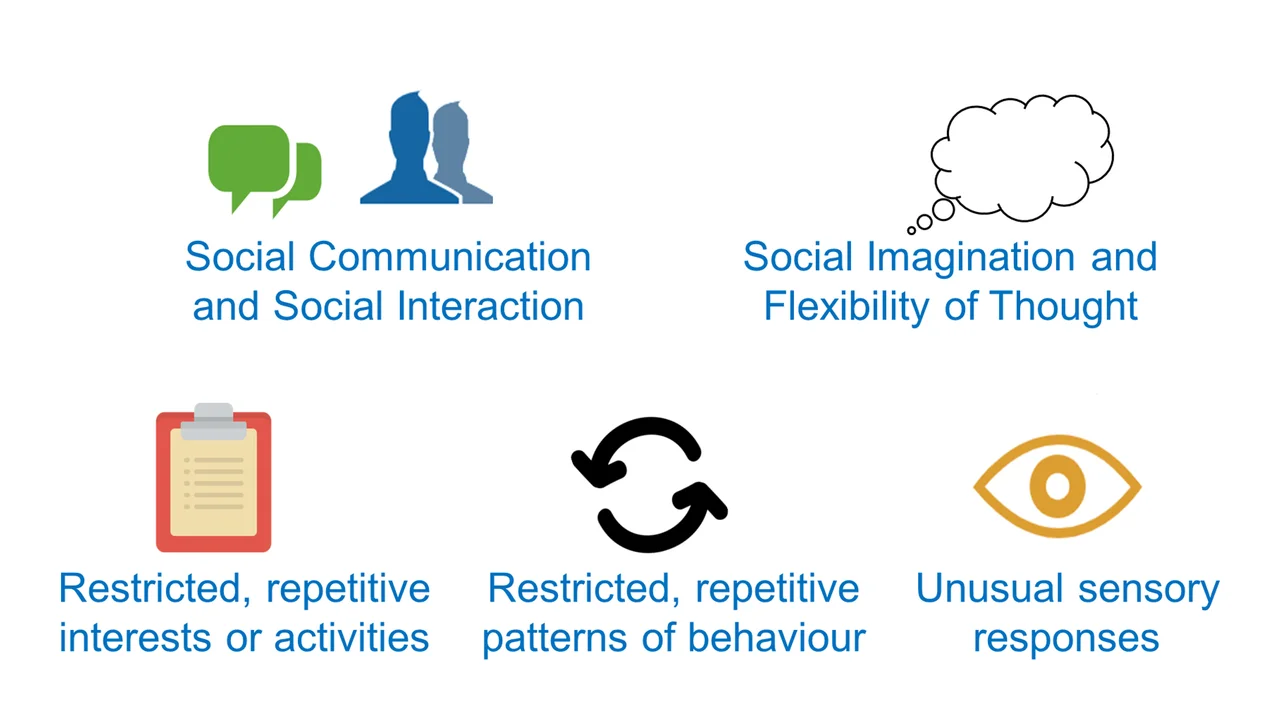
Autism Spectrum Disorder (ASD) is a neurodevelopmental condition that affects how a person communicates, interacts, and processes information. It is called a spectrum disorder because it varies widely in severity and symptoms from person to person. Autistic people have differences in the following areas:
ASD prevalence has increased substantially in recent years, rising from about 1 in 150 children in 2000 to approximately 1 in 31 children aged 8 years in the United States in 2022. Globally, about 1 in 127 individuals were affected in 2021, and males were diagnosed about 3.4 times more frequently than females. This trend emphasizes the need for objective and continuous behavioral monitoring to support early diagnosis and individualized intervention.
Repetitive motor and sensory behaviors are among the most important markers of ASD. These behaviors, also known as self-stimulatory behaviors or stimming, include hand flapping, rocking, hair twisting, and object mouthing. In more severe cases, they may become self-injurious, such as head banging or self-biting. Accurate monitoring of these behaviors is therefore essential for assessment, tracking, and intervention.
Objective
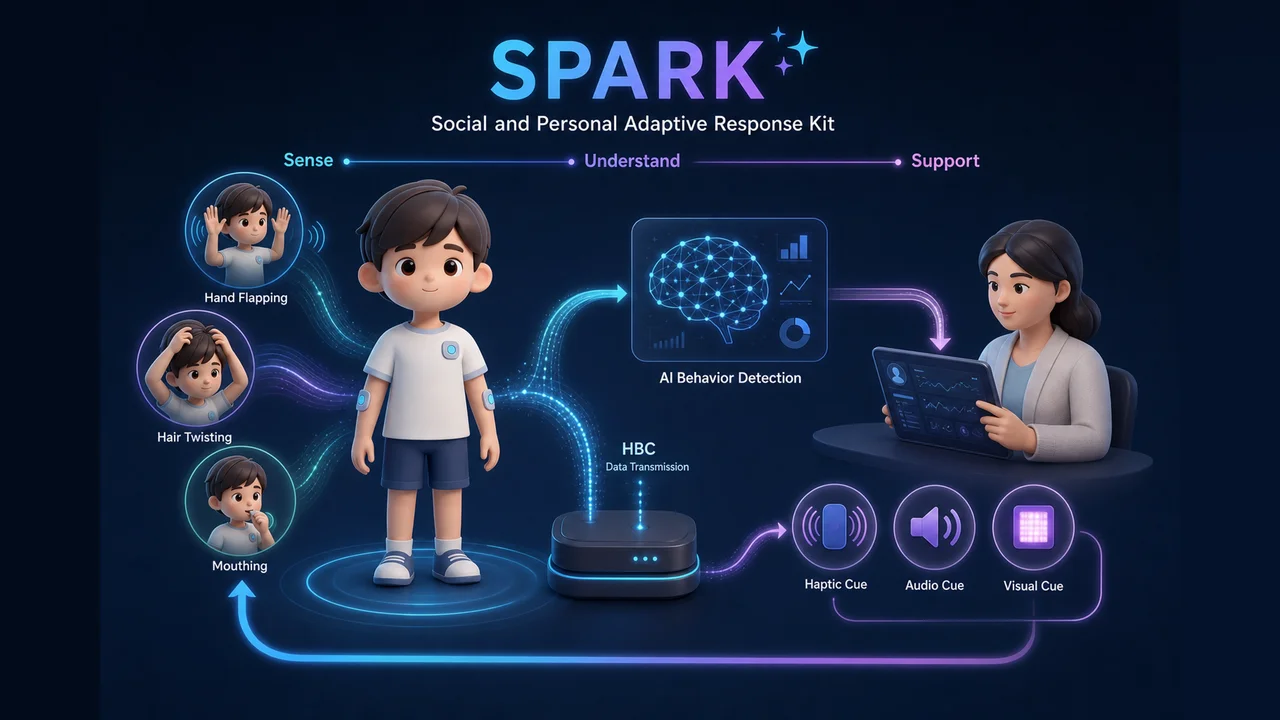
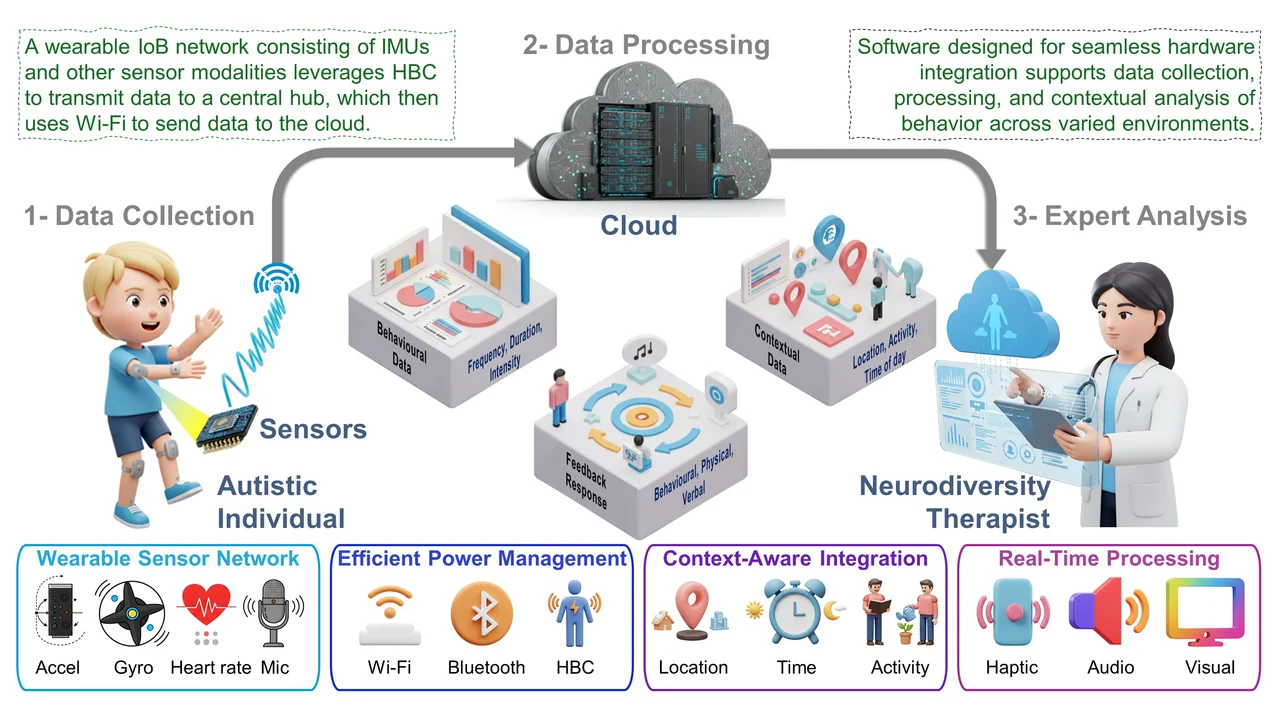
Sensor-Based Detection and Feedback System for Stereotypic Repetitive Behaviors
- Design and Integration of Wearable Sensors
- AI-Driven Behavior Detection
- Real-Time Feedback System
- Breaking Repetitive Behavior Cycles
- Longitudinal Data Collection and Adaptive Learning
System Overview
Data and Results Availability
The related information, including datasets, experimental outputs, and supporting materials, will be publicly available after publication.
Visual Demonstration
Copyright
•The data and results presented in this work are protected by copyright and may only be used with proper citation.
Related People


Abdelhay Ali
- Postdoctoral Research Fellow, Electrical and Computer Engineering